
Who we are
Biodiversity
and Conservation
Research Area


My work focuses on crop wild relative conservation, primarily on the establishment of genetic reserves. I specialize on the social aspect as a cornerstone in their long-term conservation. At a global scale, I participate on the development of strategies, projects and agreements to promote their conservation and use.


He studies biodiversity loss and global change, with particular interest in their implications for One Health and ecological restoration. His work explores ecosystems under severe environmental stress, including Mediterranean high mountains, arid lands, tropical dry forests and gypsum soils, which are among the most threatened and least understood habitats worldwide.
I work in tropical ecology, studying mechanisms that generate diversity patterns in Andean montane ecosystems. Although my main interest is herpetology, my thesis focuses on vascular plants to understand taxonomic, functional, and phylogenetic diversity. I am interested in biogeography, phylogeography, and evolutionary and spatial genetics.
His research explores how species adapt to global change through ecological, evolutionary and genetic processes. He studies plants and animals in mountain, island and fragmented ecosystems, including organisms specialized in particular soils. He also examines conservation threats to better understand how biodiversity responds to environmental change across diverse ecological settings.

Her research explores fungal diversity, evolution, systematics and phylogeny, focusing on poorly known groups such as Cystobasidiomycetes and Tremellomycetes. She investigates their interactions with other organisms and speciation processes associated with coevolution involving animals and fungi. Her work seeks to clarify the ecological diversity and evolutionary history of these fungal lineages.

Her research focuses on the systematics, taxonomy and biogeography of the genus Carex to understand how its diversity arose. She combines molecular, morphometric and bioinformatic approaches to investigate evolutionary radiations, diversification mechanisms and the colonization of new regions. She is particularly interested in links between evolutionary history, geographic distributions and plant diversity patterns.

Her scientific work concerns chemical and biochemical analysis of soils, water and plant materials. It includes the characterization of nutrients, pigments, sugars, heavy metals and carbon, alongside soil enzyme activity. These measurements provide evidence about environmental properties and processes relevant to ecosystem ecology, biogeochemistry and the functioning of terrestrial environments.

Her research examines how drought, habitat fragmentation and land-use change affect Mediterranean, mountain and semiarid vegetation, especially gypsum ecosystems. She also investigates farming practices compatible with biodiversity conservation and crop diversification. Another interest is how variation within species shapes the composition and functioning of Quercus and Pinus forests.
Her research examines how forests and non-forest ecosystems respond to global change, particularly in Mediterranean, semiarid and mountain environments. She combines dendrochronology, functional ecology and modelling to investigate changes in vegetation through time. She also studies wood anatomy and plant hydraulic adjustments under changing environmental conditions, across different forest types.
I am the EMJM GLOBE project manager, and the Global Change Research Institute community manager. I have international experience in environmental education, volunteer management, event organization, CSR, and content creation for social media for The Royal Society for the Protection of Birds. I hold a degree in Biology (UCM) and a Master’s in Biodiversity Conservation (Salford University).
Her research focuses on the evolutionary and functional ecology of cliff-dwelling plants, inhabiting ecosystems that host numerous endemic and threatened species. She investigates how phenotypic plasticity, interactions with microorganisms, and transgenerational effects influence plant adaptation to global change, with particular interest in the implications for biodiversity conservation.

Description missing.

His research focuses on Mediterranean ecology, particularly the functional traits of lichens and their responses to environmental conditions. He investigates differences among lichen species and variation within species, seeking to understand how environmental factors shape these traits and how such changes may influence ecosystem functioning and ecological processes.

Her research investigates mechanisms enabling plant species to coexist, especially in arid and semiarid environments. She studies annual and perennial communities, their competitive and facilitative interactions, and seed-bank dynamics. She combines experiments and field observations with analyses of taxonomic, functional and phylogenetic diversity to understand plant community assembly.

Her research investigates how aquatic communities in high-mountain lakes respond to biological and environmental changes associated with global change. She studies the structure, composition and dynamics of lake food webs, combining field observations with quantitative analysis. Her goal is to identify the ecological mechanisms governing these interactions across different spatial scales.
Her scientific work focuses on analyzing soils, water and plant tissues to characterize environmental properties. She examines physicochemical parameters such as texture, porosity, density and cation exchange capacity, alongside nutrients and enzymes. These approaches help describe soil conditions and interpret the responses of biological systems in field and greenhouse experiments.

His research addresses evolutionary ecology, particularly the effects of kin selection in insect-pollinated plants. He investigates how these interactions influence resource allocation and plant strategies. He also integrates bioinformatics and genomics to explore the evolutionary mechanisms underlying these patterns, connecting ecological questions with molecular approaches to plant interactions.

His research examines plant adaptation to drought through genomic, metabolic and microbial mechanisms. Using blue lupin, Lupinus angustifolius, he compares populations from environments with different levels of aridity. He combines genomics, metagenomics and metabolomics to understand plant plasticity and evolutionary potential in response to climate change.

His scientific activities involve plant ecology, botany and experiments with organisms grown under controlled conditions. He contributes to experimental design and monitoring, including the adjustment of environmental conditions and collection of biological data. He also has experience with field and laboratory studies of plant communities and their ecological responses.

His research explores how drivers of global change influence plant evolution and conservation. He combines population genetics and genomics, ecophysiology, spatial statistics and network analysis to understand plant responses to environmental change. He is especially interested in ecological and evolutionary processes shaping the persistence of plant biodiversity under changing conditions.

His research uses remote sensing and geospatial data to investigate landscape changes, including forests and areas affected by natural or human-induced deformation. He also explores remote monitoring of intertidal macroalgae and their potential for nature-based solutions. He is interested in connecting these coastal ecosystems with efforts to mitigate carbon footprints.

His research explores how human disturbances and global change affect biodiversity and ecological interactions. After initially studying disease-vector arthropods and their invasion patterns, he now investigates the effects of human activities on plant and pollinator communities in natural ecosystems and agricultural landscapes, with particular interest in species interactions
His research examines how freshwater biodiversity and ecosystem functioning respond to multiple pressures associated with global change. He studies the combined effects of environmental stressors on biological communities and biogeochemical cycles. He seeks to identify ecological thresholds that can inform the long-term sustainability of aquatic ecosystems and their contributions to human well-being.

His research examines how agricultural diversification can improve agroecosystem functioning. He is interested in novel crops, increased genetic diversity and mixed cropping systems. He studies the ecological mechanisms underlying the ecosystem services provided by diversified agriculture and their practical implications for developing more diverse and ecologically informed farming systems.
Her research focuses on the effects of global change on the structure and functioning of microbial communities in temporary rivers. She investigates how land-use intensification, temperature, aridity, and the duration of dry phases affect fungal and bacterial communities in riverbed sediments and riparian zones.
I am a theoretical ecologist interested in understanding the mechanisms shaping vegetation structure across scales, from the ecophysiological mechanisms of root interactions to community- and landscape-level organization. Currently, I work on the COUSIN project, where I investigate traits of wild relatives of wheat to improve productivity and sustainability in agroecological systems.

Her areas of interest include environmental protection, global change and the analysis of climate-related information. She has worked on interpreting data and preparing environmental reports. These activities connect analytical tools with questions about sustainability, human impacts and the monitoring of changes in the natural environment over time.

Her research explores biodiversity and ecological functioning in rivers, ponds and other freshwater environments. She is interested in how biological communities respond to environmental disturbances, particularly changes in their functional traits. She combines field observations and sample analyses to understand the effects of different stressors on aquatic ecosystems.
Her research focuses on communities of single-species and mixed forests dominated by Quercus and Pinus. She investigates how niche complementarity affects forest functioning. Using near-infrared spectroscopy to characterize morphological, physiological and phenological traits, she connects community ecology with evolutionary and conservation questions about forest composition and diversity.
I am a restoration ecologist specializing in dryland forestry, agroforestry, and nature conservation. My work focuses on conserving endangered species through community engagement, ecological modeling, and crop diversification. I am currently interested in harnessing the potential of domesticated crops and their wild relatives through artificial selection to support crop diversification and climate‑resilient agriculture.
I am pursuing my PhD in evolutionary and microbial ecology, focusing on the microbiome, life history, behavior, and reproductive ecology of the pied flycatcher (Ficedula hypoleuca). I combine long-term population monitoring with ecological and metagenomic analyses to understand how microbial communities and organisms respond to environmental change.

His research examines evolutionary processes associated with plant domestication and their ecological consequences. He investigates how selection during domestication has shaped modern crops and their traits. Combining evolutionary and ecological perspectives, he seeks to understand how domesticated plants respond to pressures associated with global change and changing environmental conditions.
His interests focus on plant ecology, biodiversity and the responses of ecosystems to global change. He is also interested in translating scientific knowledge into environmental management and sustainability, promoting evidence-based decisions to address environmental challenges and strengthen the connection between ecological research and practical action.
His research examines insect population and community ecology, particularly butterflies and beetles. He studies their dynamics in Mediterranean and Eurosiberian mountains, dune systems and human-modified landscapes. He is especially interested in how climate change and land-use transformations influence butterfly populations and their long-term persistence in different ecosystems.
I am a plant ecologist who studies community assembly (plants, lichens, and microbiota) across diverse ecosystems, including extreme environments. Their research focuses on functional traits, biotic interactions, and ecosystem functioning under Global Change, combining experimental and observational approaches with ecophysiological and molecular techniques, Vis–NIR spectroscopy, and statistical, spatial, LiDAR, and satellite analyses.
Her scientific interests focus on evolutionary ecology, botany and biodiversity conservation. She is particularly interested in plant evolutionary biology and bird conservation, as well as climate change adaptation and the application of scientific knowledge to biodiversity conservation. Her interests bring together evolutionary research and practical approaches to protecting species.
I am a trained biologist with a strong interest in evolution. Since my predoctoral stage, I have focused on the phylogenomic study of a group of fungi with lichenicolous representatives. My thesis addresses hypotheses on specificity, parasitism, and coevolution in Tremellomycetes, as well as their diverse life strategies and evolutionary relationships.

Her research examines how global change affects insect populations, particularly through climate change and habitat loss or modification. She studies population dynamics, synchrony within and among species, and colonization capacity. Her work seeks to understand the mechanisms influencing insect persistence across environmental gradients and under changing ecological conditions.

Her research focuses on improving biohydrogen production through bacterial photofermentation and the energetic valorization of biomass residues. She investigates metabolic pathways in Rhodobacter capsulatus using genetic and metabolic engineering. She also studies cultivation conditions that may increase process efficiency and the production of other valuable metabolites from biological resources.
I am an environmental engineer specialized in water resources, with over 15 years of experience in watershed management and water quality monitoring in Honduras. I have coordinated restoration and climate change training projects. I am interested in climate change adaptation in vulnerable water systems.
I am a zoologist specializing in arthropods, focused on uncovering and delimiting their diversity and evolution. I use integrative approaches (systematics, phylogeny, and phylogeography), combining genetic, morphological, and ecological data to identify lineages, endemism, and diversification processes, providing a scientific basis for the understanding and conservation of understudied biodiversity.
I studied biology and specialized in ecology and biodiversity conservation, later incorporating the social dimension of conservation. I currently research landscape perception in drylands, integrating ecology, sociology, and psychology. I aim to understand the factors influencing environmental stewardship and to promote interdisciplinary conservation approaches.

Her research examines the recovery of biodiversity and ecosystem functioning in Mediterranean forests through ecological restoration. She studies multiple ecosystem components, from trees and soils to birds, insects, lichens and nematodes. Combining dendrochronology, remote sensing and community analyses, she investigates the processes that support forest recovery and ecological resilience.

His research explores the mechanisms that enable species to coexist within ecological communities. He is particularly interested in positive and indirect interactions, alongside competition, and how they contribute to maintaining biodiversity. He investigates how relationships among organisms shape community structure and support the persistence of different species within ecosystems.

I am an animal ecologist, environmental scientist, and oceanographer specialized in arthropods, ethology, biodiversity conservation, and science communication. My interests focus on the study of toxic arthropods from behavioral and evolutionary perspectives, as well as the biology and distribution of species relevant to conservation. I also develop methods and strategies for science outreach to bring this knowledge closer to society.
His research focuses on assessing and monitoring social-ecological systems, combining ecological indicators, biophysical modelling, and ecosystem service valuation methods. He investigates how changes in ecosystem condition affect biodiversity and human well-being, with particular attention to degradation thresholds, ecological restoration, and the recovery of multifunctional ecosystems.
His research at MNCN-CSIC addresses biodiversity and the ecological consequences of climate change. He investigates how ecosystems respond to environmental disturbances and what these responses imply for nature conservation. He also considers the relationship between scientific evidence, environmental crises and society, helping connect ecological understanding with broader public awareness of socioecological challenges.

His research focuses on lichen diversity, community ecology, population dynamics and conservation. He investigates the factors driving biodiversity gains and losses, particularly habitat fragmentation, degradation and land-use change. He studies epiphytic, ground-dwelling and rock-dwelling lichens across different ecosystems to better understand their ecological responses to environmental pressures.

His research examines how the relationship between body size and energy use varies among and within aquatic species. He investigates the influence of life-history traits and ecological preferences on these patterns. He also studies mechanisms underlying biodiversity variation, combining meta-analysis, field data and laboratory experiments to address these ecological questions.

Research summary incomplete.
His research investigates freshwater biodiversity and ecosystem functioning under global change. He combines modelling, experiments and observations to examine ecological processes across scales. His interests include how temperature alters microbial communities and how the structure of aquatic communities shapes ecosystem dynamics, linking patterns of biodiversity with mechanisms of ecological change.

Her research focuses on avian behavioural ecology and ecophysiology, particularly the evolution of social signals and the physiological mechanisms underlying their expression. She studies how climatic changes influence plumage coloration and individual fitness. She also investigates the ecological impacts of invasive birds in urban environments, using monk parakeets as a case study.
Her research examines the structure, dynamics and functioning of epiphytic and ground-dwelling lichen communities under different drivers of global change. She studies their functional traits and diversity along environmental gradients, as well as interactions with bryophytes and invertebrates. She is interested in how these relationships contribute to ecosystem functioning.

His scientific activities involve experimental plant ecology and the characterization of plant functional traits. He contributes to collecting data and analyzing samples from field and laboratory experiments. His experience supports investigations of plant responses under different conditions and helps document functional diversity within ecological studies of vegetation.
His research investigates how global change alters freshwater biodiversity and ecosystem functioning. He focuses on food webs, feeding adaptations and shifts in ecological niches during organism development. He also examines connections between terrestrial and aquatic ecosystems, including the role of terrestrial resources in supporting aquatic communities and their environmental resilience.

His research explores the ecological and evolutionary mechanisms governing community assembly, particularly in arid and high-mountain environments. He also investigates applications in agroecology and forest ecology, including the effects of biodiversity on agricultural productivity and how ecological management can strengthen forest ecosystem functioning and resilience.

His research examines how biodiversity is organized across space and time, integrating biogeography, community ecology and evolution. He combines large datasets, detailed field surveys and experiments to identify mechanisms allowing species to coexist. He also investigates how this organization of biological communities affects ecosystem functioning at different scales.
I am a chemical laboratory technician and water quality specialist, with experience in analyzing drinking water and surface waters. I focus on identifying pollution sources and proposing solutions for water resource management. I research the effects of fires and burning on soil and water, and I have participated in management programs and technical training.

His research explores how cellular oxidative damage and mitochondrial free radicals influence aging and longevity in animals. He also investigates metabolomic biomarkers using near-infrared spectroscopy and machine learning. He is interested in linking molecular processes with differences in lifespan among animal species and in identifying measurable signatures of biological aging.
His research focuses on the ecology of river invertebrates, examining populations and communities in freshwater ecosystems. His earlier work addressed fundamental ecological processes, including secondary production and leaf litter decomposition. More recently, his interests have shifted toward applied ecological questions, building on his experience studying riverine invertebrate communities.

His research addresses plant population conservation through ecological, genetic and evolutionary approaches. He studies population dynamics, local adaptation and plant-pollinator interactions. He is particularly interested in threatened endemic species, Mediterranean alpine plants and crop wild relatives, including their conservation through genetic reserves and other in situ approaches.
His scientific activities involve experiments with biological cultures under controlled environmental conditions. He contributes to setting growth conditions, monitoring experiments and preventing pests and diseases. Such work makes it possible to investigate how organisms respond to different ecological and environmental treatments, particularly in controlled studies of biodiversity.
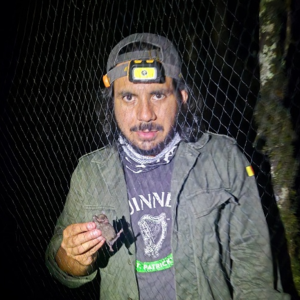
His research focuses on animal biodiversity and community ecology, particularly Neotropical mammals and arthropods, with a special interest in bats. He studies the distribution and composition of animal communities, the ecological processes shaping them, and the effects of environmental change and land use on fauna diversity and conservation.
His research investigates how increasing aridity affects the functioning and food webs of small streams. He examines changes in leaf litter quality and riparian plant communities, alongside the combined effects of multiple environmental stressors. He seeks to understand freshwater ecosystem responses to drought and other pressures associated with global change.
Research summary incomplete.

Her research examines molecular mechanisms regulating micronutrient metabolism and homeostasis in plants. She combines genetics, biochemistry, cell biology, genomics and transcriptomics to study acclimation to changing nutrient availability and demand. She investigates model plants such as Arabidopsis and rice, alongside other species, connecting fundamental biology with crop improvement questions.
I am a Research Technician in Ecology, currently involved in the EVOLBIOME project, where I conduct greenhouse experiments, field sampling, laboratory work, and data management. I am passionate about ecosystem ecology, conservation, and biodiversity. I have contributed to species reintroduction, captive breeding of endangered species, and reforestation projects, drawing on a multidisciplinary background in the experimental sciences.

His research focuses on plant community assembly, using experimental approaches to understand how community characteristics influence ecological outcomes. He investigates how functional and phylogenetic diversity affect individual performance and shape the composition of future communities, bringing together perspectives from plant ecology, botany, and the study of biodiversity.
His research focuses on functional and community ecology in tropical forests and on ecological restoration. He examines how biological diversity arises and persists in complex forest ecosystems. His interests include plant coexistence, ecosystem functioning and the dynamics of forest degradation, regeneration and regrowth, particularly in biodiverse tropical environments.

Her scientific activities involve molecular biology and analytical techniques used to study organisms and environmental materials. She has experience with laboratory procedures supporting biodiversity and conservation research, as well as chemical and nutritional analyses. Her contribution facilitates the production of reliable, comparable experimental evidence for ecological investigations.
Her scientific interests include applied ecology, ecological restoration and the sustainability of agricultural landscapes. She studies biodiversity across different groups of organisms associated with cherry crops, combining field observations with laboratory analyses. Her work contributes to understanding biological diversity in agroecosystems and its potential responses to agricultural management.
His research examines mechanisms shaping the organization and diversity of biological communities, particularly in tropical forests. He combines taxonomic, functional and phylogenetic perspectives to investigate community assembly. He is also interested in developing ecological data-analysis methods that reveal biodiversity patterns and support conservation across different ecosystems.
His research focuses on fern ecology, particularly the adaptive consequences of polyploidization and trade-offs between growth and tolerance to abiotic stress. He combines field studies with controlled experiments to investigate different stages of the fern life cycle, including gametophytes and sporophytes. He is interested in mechanisms underlying plant adaptation.

His research focuses on the evolutionary and reproductive biology of plants, particularly how climate change affects plant ecology and species interactions. He studies the relationships between plants and animals, with special emphasis on pollination, seeking to understand the ecological and evolutionary processes that shape plant reproduction under changing environmental conditions.

His research examines soil ecological processes, particularly erosion, aggregate stability, carbon storage and soil biodiversity. He studies feedbacks among soil structure, root traits and microbial communities of fungi and bacteria. He is especially interested in applying this knowledge to ecological restoration and understanding how soil organisms influence ecosystem recovery.

His scientific interests span animal, plant, fungal and lichen diversity, from remote natural habitats to everyday environments. His natural-history approach combines field observations with knowledge of different taxonomic groups, including birds, insects and trees. He is also interested in conservation, public engagement and communicating biodiversity research to wider audiences.
I am a research technician on the TRANSFOrm (BIODIVERSA+) project, with a background in Biology and Biodiversity Conservation. My research focuses on entomology, particularly microhymenopterans, combining taxonomic and phylogenetic studies with fieldwork in terrestrial ecosystems, including bird surveys and monitoring of threatened species. I am passionate about biodiversity and learning.
His research spans vascular plant diversity, from floristics and conservation biology to population, community, and spatial ecology. He is also interested in developing analytical tools for ecological research, creating and maintaining open-source software that supports the analysis of ecological data and the study of patterns in plant populations and communities.
His research explores ecological and evolutionary patterns, especially plant reproductive traits and the diversity of sexual systems in flowering plants. He also studies arthropod community structure and conservation, including spiders, dragonflies and saproxylic beetles. He combines field observations, large-scale data analysis and citizen science to investigate biodiversity.

Her research examines how environmental factors shape species distributions and the physiological responses of threatened organisms at range margins. She combines species distribution models with experimentally measured physiological thresholds to predict geographic contractions under global change. She has applied these approaches to algae and corals, connecting organismal responses with broad-scale biogeographic patterns.
Her research explores the diversity, systematics, morphology and evolution of marine meiofauna, the tiny invertebrates inhabiting seafloor sediments. She focuses on poorly known groups such as kinorhynchs, loriciferans and priapulids. She combines taxonomy, microscopy and molecular techniques to investigate their adaptations and evolutionary relationships across marine environments.

Her research addresses immunology and pathology in fish and bivalve molluscs, focusing on the health of aquatic organisms. She investigates functional diets that may improve immune responses in farmed fish. Her approach links animal physiology with environmental health and the connections among ecosystems, animals and people within a One Health perspective.

I am a lichenologist and plant physiologist. I have worked on evolutionary models in lichens and phylogenetic relationships. My current work focuses on the study of plant-microbiome interactions (bacteria and fungi) and on the response of the plant metaorganism to stressful conditions.
I am a microbiologist specializing in bacteriology. My research is focused in beneficial bacteria-plant interactions that can have a positive impact in agriculture or forest restoration. In the field of agrobiotechnology, I have developed protocols for analyzing bacterial biodiversity and studying its potential to improve plant safety, quality, and productivity, using microbial bioinoculants based on multifunctional bacterial consortia.

I am a plant ecophysiologist. I analyze plant functional responses to abiotic and biotic factors across multiple scales, from the individual level to ecosystems (including both abiotic and biotic interactions). My approach is multidisciplinary, spanning from biochemical to ecological processes, and involves both field and laboratory techniques (plant tissue and soil analyses, enzymatic activity, mycorrhizal colonization, and stable isotopes as metabolic tracers).

Her research investigates the evolution and classification of lichen-forming fungi and the traits that allow them to survive in different environments. She is interested in the genetic basis of lichen evolution and the organization of their populations and communities. She integrates ecological and genetic perspectives to understand their diversity and distribution.

Her research examines plant systematics and evolution, especially within the family Cyperaceae. She studies diversification in Carex and the origin and evolution of C4 photosynthesis in Cyperus. She combines phylogenomics, anatomy, transcriptomics and ecological niche modelling to link physiological adaptations with environmental conditions and climate.

Her scientific activities concern the mechanisms of plant community assembly and links between community properties and biodiversity. She contributes to experimental studies of phylogenetic diversity, functional diversity and the roles of key species. Her work seeks to understand how these different dimensions of diversity contribute to structuring plant communities.
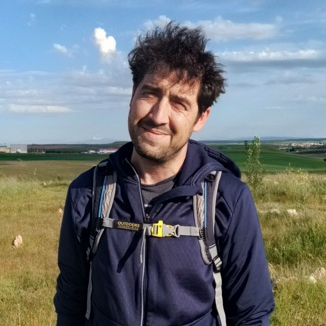
His research investigates how biodiversity, climate change and human pressures alter host-parasite interactions in wildlife. He studies pathogen transmission networks, local adaptation and coevolutionary processes. Integrating scales from microbiomes to ecological communities, he connects disease ecology with environmental and human health through a One Health perspective.
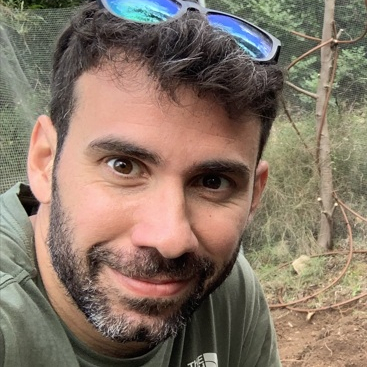
His research investigates evolutionary plant responses to climate change and human pressures, with particular attention to biotic and abiotic interactions. He combines quantitative genetics, functional ecology and experimental approaches. He is especially interested in conserving cliff-dwelling plants, whose habitats support distinctive communities and numerous endemic species.

Her research examines the structure and functioning of planktonic and benthic communities in freshwater ecosystems. She combines controlled experiments and field studies to investigate how temperature, pollutants and other stressors affect aquatic organisms. She also explores approaches that can help assess ecological conditions and responses to environmental change.

His research focuses on the biogeography, phylogeography and evolution of reptiles and amphibians, particularly in the Lesser Antilles. He examines how topographic changes and species ecology influence speciation and distribution. He also addresses taxonomy and conservation questions in other animal groups, including mammals, birds, arthropods and parasites.
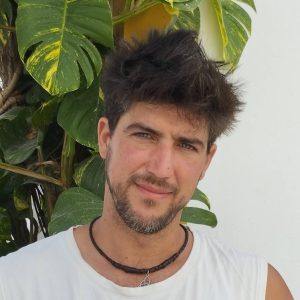
I am currently a research technician working on rupicolous plants. I enjoy designing and setting up experiments and research structures, and I also contribute to fieldwork. I am passionate about continuously learning about nature and its conservation. At the same time, I am pursuing a degree in Environmental Sciences at Rey Juan Carlos University.
My research deals with the study of large-scale (regional to global) ecological patterns and processes, with a focus on understanding the distribution of biodiversity in a context of global change. I combine ecoinformatic techniques with field and lab studies to map patterns in the diversity of life on Earth, both past and present and across space and time.
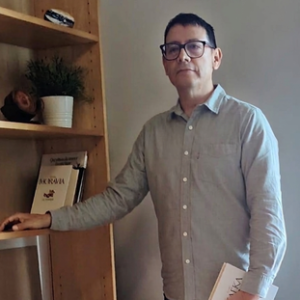
His research at CIVESTAV (Mexico) focuses on plant ecology, particularly reproductive biology, interspecific interactions, and community ecology in human-modified environments, such as agroecosystems and urban areas. He also investigates rapid evolution and local adaptation in native Mesoamerican crops, combining experimental approaches and international research collaborations.
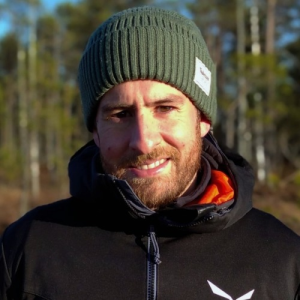
His research combines remote sensing, field observations, and machine learning to study ecosystem structure, functioning, and services across multiple scales. He uses satellite and drone-based multispectral, hyperspectral, thermal, and LiDAR technologies. His work particularly focuses on Arctic and subarctic ecosystems, investigating vegetation changes and their interactions with climate and land use.
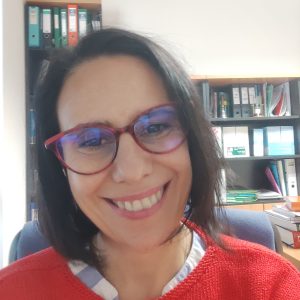
My research has focused on oxidative balance during stress tolerance in animals, plants and lichenic symbioses. I am currently researching biomarkers for non-invasive biomedical and environmental diagnostics using near-infrared spectroscopy, aquaphotomics and artificial intelligence in collaboration with national and international specialists, with incursions into the study of human sexual biology and its evolution.
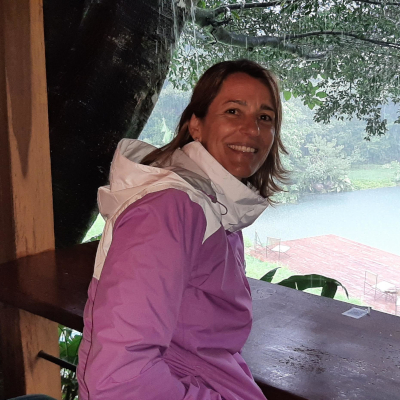
Her research examines interactions between microorganisms and their environment under stressful conditions in aquatic and terrestrial ecosystems. She studies ecological and evolutionary mechanisms shaping seed microbiomes. She is particularly interested in how microbial transmission between generations affects plant phenotypes and responses to climate change, with implications for ecosystem conservation.
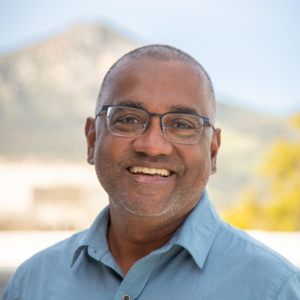
His research at CAL POLY (California, US) focuses on plant adaptation to extreme soils, particularly serpentine and metal-rich substrates. He studies plant community assembly, local adaptation, endemism, and metal hyperaccumulation, as well as their applications in conservation and ecological restoration. He also investigates interactions between native and nonnative plants on serpentine and gypsum soils.
I am a zoologist and work as a Research Assistant studying the biodiversity of soil invertebrates (nematodes) in agricultural and natural ecosystems. I carry out tasks related to their study and their use as bioindicators of soil health and environmental change. My interests include biodiversity analysis, interactions among organisms, ethology, and evolutionary biology.
Her research examines plankton communities and their roles in biogeochemical cycles, water quality and carbon sequestration. She also studies the vulnerability of coastal areas to climate change and human pressures. She is interested in integrating ecosystem services and local perceptions into environmentally and socially inclusive adaptation strategies.
His research focuses on understanding the eco-evolutionary causes and consequences of variation in animal behaviour and life-history traits. He combines different approaches and methodologies to investigate how individuals and populations respond to human-induced environmental changes. His work primarily focuses on birds, although he also studies other vertebrates and microorganisms.

His scientific activities include microbiological and nutritional studies of foods and analyses of contaminants in wastewater. He has investigated the degradation of beta-lactam antibiotics using advanced analytical techniques. His work connects chemical and microbiological measurements with environmental processes and potential solutions to pollution-related problems in aquatic systems.
Her research examines how global change affects biodiversity and the functioning of vulnerable ecosystems. She studies lichens, forests and communities exposed to alternating drought and flooding. She is particularly interested in biological soil covers and their adaptations to changing water availability and the increasing frequency of extreme climatic events.

His research focuses on the diversity of leaf beetle communities along elevational gradients in tropical montane forests. He combines taxonomy, functional trait analysis, and molecular biology to investigate the taxonomic, functional, and phylogenetic dimensions of beetle diversity, seeking to understand how these communities vary across mountainous tropical environments.
His scientific interests have included plant ecology and biodiversity conservation. He has also addressed questions related to climate change and the practical application of environmental knowledge. His perspective connects ecological processes, conservation challenges and the use of scientific evidence to inform decisions about natural environments and their management.
His research investigates forest ecology, biogeography and forest responses to global change. He studies how climate shapes tree species composition, functional traits and population dynamics. He combines forest inventories, satellite data and distribution and succession models to examine dispersal, recruitment, growth and mortality, and to anticipate future forest change.
I am a biologist with a master’s degree in biotechnology, studying genotypes and microbiomes that influence crop performance in mixed stands, especially at the seed level. I investigate how plant and microbial diversity affect the productivity and stability of agroecosystems, as well as the impact of domestication on microbiota and the evolution of plant traits.

Her research focuses on the systematics, taxonomy and evolution of lichen-forming fungi, particularly the family Cladoniaceae and genus Cladonia. She investigates species delimitation and phylogenetic relationships in these organisms. She is also interested in the evolutionary origin of lichen symbiosis and the diversity of fungi associated with lichens.
Her research combines evolutionary biology, ecology, and biogeography to understand the processes shaping bird diversity, particularly in island ecosystems. Using macroecological, observational, and experimental approaches, she investigates the evolution of morphological and ecological traits, as well as changes in bird migration behaviour in response to climate change and island colonization.
His research focuses on the responses of aquatic communities and food webs to global change and other environmental stressors. He investigates the effects of microplastic pollution on fish, zooplankton, and phytoplankton, using quantitative ecology and statistical methods to analyse changes in community structure and trophic interactions.
I am a mycologist and am conducting my PhD on the evolution of the order Cantharellales. My research focuses on phylogenomic relationships, morphological evolution, and taxonomic diversity, combining molecular techniques and classical systematics. I am particularly interested in the biodiversity, ecology, and evolution of Ascomycota and Basidiomycota, with an integrative view of fungi in ecosystems.

Her research focuses on coastal ecology and biogeography, particularly the effects of climate change on marine benthic species. She combines ecological modelling, ecophysiological and field experiments, and spatial analysis to investigate species distributions and their changes over space and time, as well as the conservation and restoration of coastal habitats.




Her research focuses on marine intertidal communities, particularly the impacts of invasive species and recovery after disturbances. She studies the factors determining species range limits and the role of abiotic conditions. She also investigates how climate change affects the structure and functioning of coastal ecosystems and their biological communities.

His research examines crop evolution and the ecological consequences of domestication. He uses functional ecology and plant trait approaches to compare cultivated species with their wild relatives. He is interested in how domestication has altered crop phenotypes and ecosystem services, combining plant ecophysiology with evolutionary questions about agriculture.
His research examines the evolution of plant reproductive strategies and their links to population adaptation. He studies how sexual expression and floral and fruit traits have evolved across flowering plants. He also investigates the role of biotic and social interactions in shaping reproductive diversity, mating patterns and gene flow.

Her research explores the evolution, diversity and phylogenetic relationships of fungi and lichens, including their shared evolutionary history. She combines genomics, molecular biology, microscopy, and morphological and ecological data. She is interested in their environmental requirements and how ecological conditions shape their life cycles and evolutionary diversity.

Her research explores the neurobiology and behavior of social animals, particularly ants. She combines evolutionary and ecological perspectives with neuroanatomical, physiological and computational techniques and behavioral experiments. She is interested in how temperature and dietary variation affect individuals and the ecological organization of social species.
I am the project manager for the European project COUSIN and a member of the management team at IICG-URJC. I am a biologist specializing in marine biology and hold a PhD in Natural Resource Conservation (thesis in phycology). After a postdoc at UVigo, I returned to URJC to focus on project management, an area in which I already had some experience.

I am a zoologist specializing in the diversity and systematics of free-living and plant-parasitic soil nematodes in agroecosystems and natural ecosystems. I combine morphological and molecular analyses to clarify their evolutionary relationships and explore how nematode diversity and community composition can serve as bioindicators of soil health and environmental change.

I am a mycologist and microbial ecologist. Currently, my research focuses on the yeast communities inhabiting floral nectar and their interactions with their host plants, the animals that visit flowers, and other co-occurring microorganisms. My ultimate goal as a scientist and educator is to promote a holistic and multidisciplinary understanding of mycology.

Her research investigates how plant populations evolve in response to climate change and how genetic and environmental factors generate phenotypic variation. She combines experiments, quantitative genetics, molecular biology and field observations to study adaptation and plasticity. She also examines mechanisms allowing species to coexist in Mediterranean plant communities.
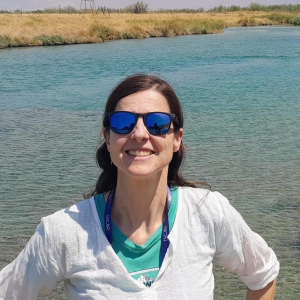
Her research at ICML-UNAM (Mexico) focuses on aquatic microbial ecology, particularly the diversity and functioning of microbial communities and their role in biogeochemical cycles. She investigates microbial processes in marine and coastal ecosystems, especially oxygen-deficient environments, and the effects of global change on these communities and nitrogen cycling.

His research focuses on freshwater ecology, particularly rivers, through conservation and biological invasion perspectives. He studies macroinvertebrates as indicators of ecological condition and river ecosystem functioning. He aims to generate evidence that helps assess environmental impacts and supports sustainable management strategies for freshwater ecosystems and their biodiversity.
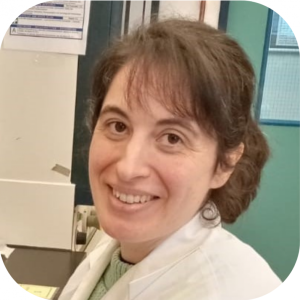
I am a neurobiologist, and my research has focused on the evolution, development, and neuronal regeneration of the cerebellum, including the areas of knowledge EvoDevo (Evolution and Development) and EvoRego (Evolution and Regeneration). My goal is to understand the mechanisms responsible for the loss of the cerebellum's regenerative capacity throughout evolution, through comparative studies.

Her research examines how climatic variation affects population dynamics, reproduction and interactions among plants and lichens. She is particularly interested in parasitic relationships involving symbiotic organisms under climate change. She combines experiments with large datasets to understand biodiversity responses and inform conservation across different spatial scales.
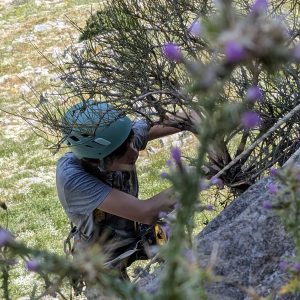
I studied biology in Athens and completed a master’s degree in ecology in Madrid. I specialize in the ecology and conservation of cliff-dwelling plants and endemic species. I am currently pursuing a PhD at URJC on cliff communities in the Iberian Peninsula, using functional, evolutionary, and conservation-focused approaches.

Her research investigates plant systematics, biogeography and conservation biology to understand the processes generating diversity across the tree of life. She studies threatened lineages, economically important species and highly diverse groups. She also examines how genomic processes influence species distributions in the context of climate change.

I have more than 25 years of experience in the business sector, with a range of areas of work including ecological restoration, environmental risk management, the economic valuation of ecosystem services, sustainable finance, and the integration of environmental considerations and impact reduction into the agendas of large companies at both the national and international levels.

Her scientific activities involve forest ecology and vegetation responses to different environmental conditions. She specializes in dendrochronology and quantitative wood anatomy, applied to Mediterranean forests, semiarid landscapes and laurel forests. She also examines vegetation structure and aspects of forest management through field and laboratory observations.

Her scientific activities relate to environmental chemistry and analytical measurements supporting biodiversity research. She has experience with advanced instrumentation, chemical compound analysis and nutrient determination. Her contribution supports studies of environmental sample properties and the interpretation of ecological processes through reliable laboratory measurements and consistently maintained analytical methods.
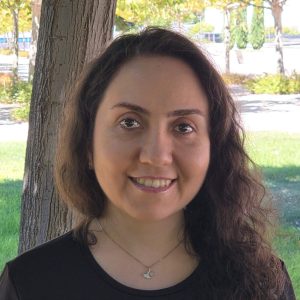
I am a plant ecophysiologist specializing in functional plant community ecology, plant–soil interactions, and community assembly in saline environments. Earned a PhD in Plant Science from the University of Tehran in 2019. My current postdoctoral research investigates how functional traits mediate climatic and nurse species effects on gypsum plant communities worldwide.

Her research examines freshwater biodiversity and its responses to climate change, eutrophication, salinization and drought. She studies communities and food webs through functional traits and biological quality indicators. She investigates zooplankton and invertebrates in lakes, ponds and rivers using experiments, biomonitoring and data across environmental gradients.