Biodiversity
and conservation
Research


We are dedicated to exploring, understanding and conserving biodiversity
It is estimated that there are around one million species in danger of extinction. Many of them will disappear before they are even described. Each species less implies loss of functionality and ecosystem services.

The Biodiversity and Conservation Area of the Rey Juan Carlos University is made up of a group of researchers and teachers, who carry out their research in different areas of knowledge: Cell Biology, Botany, Ecology, Physiology, Microbiology and Zoology.
We research and share our science with undergraduate, master's and PhD students at the Universidad Rey Juan Carlos, public university of Madrid (Spain).
Learn about our lines, groups and research projects and dare to collaborate with us.
Lines of research
in the Department of Biology

DIVERSITY OF LEVELS OF BIOLOGICAL ORGANIZATION
Our research focuses on different levels of biological organization: from the molecules to the ecosystem, through the cellular level, that of organisms, populations and communities.

DIVERSITY OF ECOSYSTEMS
We study various types of ecosystems: both terrestrial and aquatic, from polar zones to tropical zones, Mediterranean areas, high mountain areas, arid and semi-arid systems, coastal and marine ecosystems, rivers and lakes.

DIVERSITY OF ORGANISMS
We have specialists in a wide variety of organisms: mammals, birds, amphibians, reptiles, fish, terrestrial and aquatic invertebrates, plants, fungi, algae, bryophytes, ferns, lichens, bacteria, viruses, etc.

DIVERSITY OF GLOBAL CHANGE PROCESSES
Many of our investigations analyse the effects on biodiversity and ecosystems of processes such as habitat destruction, overexploitation and fragmentation, pollution, land-use change, the proliferation of invasive species and climate change.

DIVERSITY OF SOLUTIONS
We apply the knowledge obtained from basic science in different fields such as biotechnology, biomedicine, agroecology, the management of protected areas, territorial planning and the assessment of environmental impacts, ecosystem restoration, biodiversity conservation, ecosystem services or the valorisation of natural capital.

Ecological restoration

Agroecology
Ecosystem services
Conservation Biology
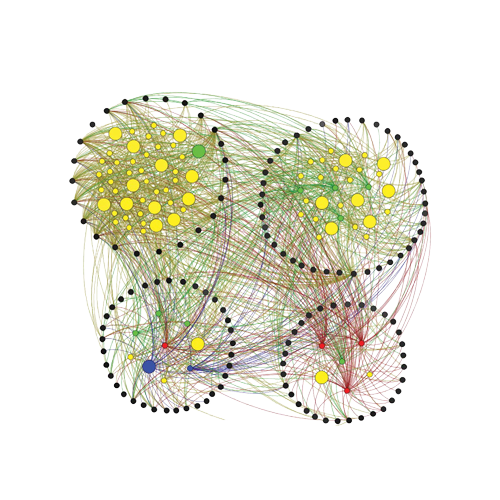
Community ecology and biotic interactions
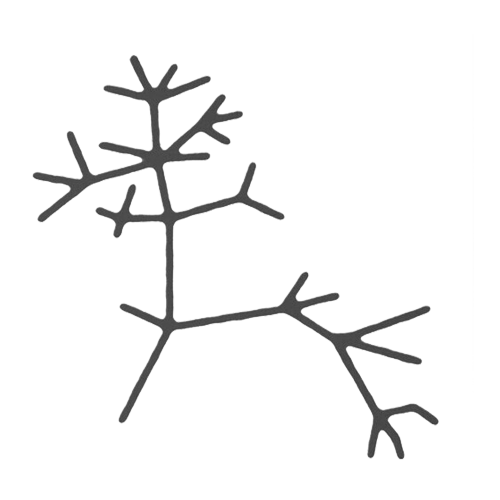
Evolutionary ecology and systematic

Microbial ecology

Biotechnology

Others

Impact of global change on biodiversity
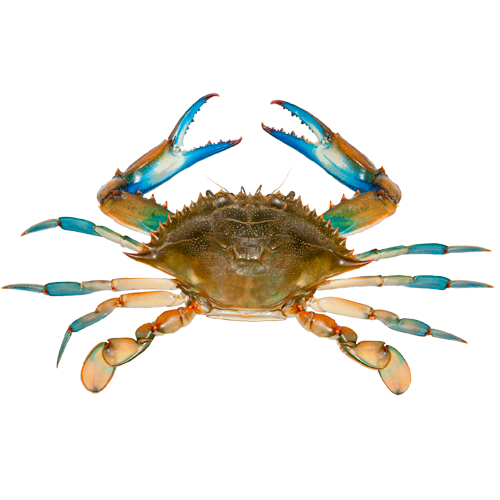
Biological invasions
Research groups
BIOMA
High-performance research group in Biogeography and Global Change.


COMMUNITY
Grupo de investigación de alto rendimiento en Ecología de Comunidades.
ECOEVO
Grupo de investigación de alto rendimiento en Ecología Evolutiva.
ESEFUNLICH-URJC
Grupo de investigación de alto rendimiento en Ecología, Sistemática y Evolución de Hongos y Líquenes.
ZOCOMAR
Grupo de investigación de alto rendimiento en Zonas Costeras y Marinas.


Scientific infrastructures